
Our Kids Deserve Better: What’s Going on with the Education Department and Why it Matters For our Kids?
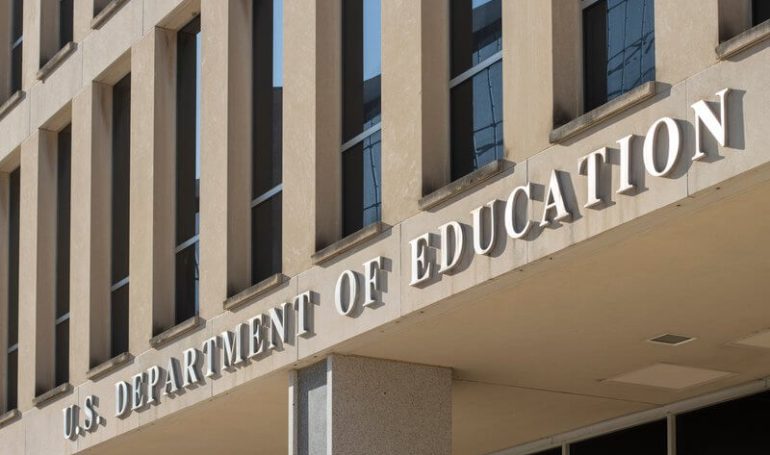
You may have seen the news that the U.S. Department of Education recently cut hundreds of jobs. These cuts directly impact the offices that protect students with disabilities and the laws that guarantee their right to a fair, appropriate education.
This move, called a “Reduction in Force” or RIF, can only legally be done by Congress, yet Congress didn’t authorize these cutes. It essentially guts the very departments responsible for making sure our kids get the services and support they’re promised under IDEA, the federal law that ensures students with disabilities have access to the education they deserve.
So what does that mean for families like yours and mine? It means fewer people making sure schools follow the law. Fewer experts helping states get it right. And less accountability when things go wrong. And when oversight disappears, guess who feels it first? Our kids.
Why This Is Such a Big Deal
At the center of this issue is the Office of Special Education and Rehabilitative Services (OSERS) and the Office of Special Education Programs (OSEP), the two main offices that make sure IDEA is actually working for children across the country.
They’re the ones who:
- Send states the funding for special education services.
- Make sure schools and districts are using that money the right way.
- Help states fix problems when they fall out of compliance with the law.
- Collect national data to ensure transparency and equal access for all kids.
Without these teams, the system simply can’t function and that means fewer protections, fewer supports, and more families having to fight harder for what should already be a guarantee.
What Families Could Start to See
When federal protections are reduced, the impact spreads quickly.
- Fewer protections for students: Schools may not be held accountable for following IDEA, meaning kids might not get the services or accommodations they need.
- Funding chaos: Billions of dollars that help pay for special education could be delayed, misused, or cut, leading to fewer staff, fewer supports, and more strain on local schools.
- Loss of equity: IDEA and Section 504 are designed to give every child, no matter their ability, where they live, or their background, access to an equitable education.
- Confusion and instability: Many families, teachers, and advocates depend on consistent federal guidance. When that disappears, every district starts doing things differently, and families may be left to figure it out on their own.
What This Really Means
For over 50 years, families and advocates have fought for the rights of children with disabilities to be seen, supported, and included in school. These cuts threaten to undo all of that progress. When the system stops working, it’s not the paperwork that suffers, it’s the kids. It’s the child who no longer gets speech therapy, or the student who loses much needed support in the classroom. Our children’s rights aren’t political. They’re human rights.
How You Can Advocate
Now more than ever, it’s crucial that families know their rights and feel empowered to take action.
Here’s what you can do:
- Learn your rights under IDEA and Section 504: Knowledge is power. The more you understand the law, the better you can advocate for your child.
- Keep clear records: Document IEP meetings, communications with your school, and any challenges your child faces. This helps if you need to escalate concerns.
- Speak up: Contact your state’s education office or your local representative. Let them know why protecting these federal offices matters to your child and every child with a disability.
- Ask for help.: A knowledgeable advocate can help you understand your child’s rights, ensure the district is upholding its legal obligation to provide your child with a Free and Appropriate Public Education, and assist you with school disputes.
While the integrity of our educational system is being jeopardized right now and the future is uncertain, one thing remains clear: every child deserves to be seen, heard, and supported, and we’re here to make sure that happens.
If you have questions or concerns regarding what’s happening with the Education Department, reach out. We’re here to support and guide you, no matter how murky the waters get.